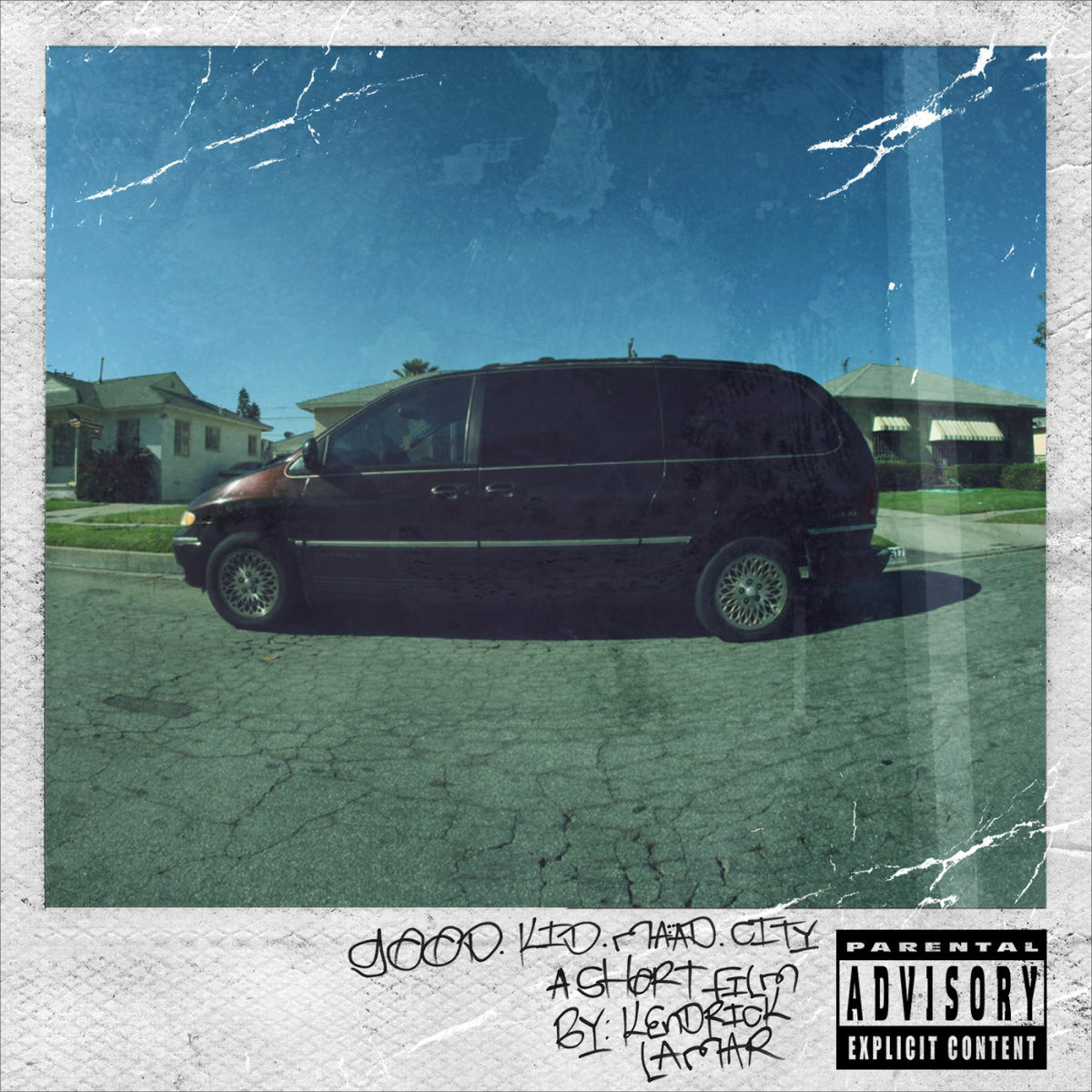
It is 2012. You are sitting in a car, maybe a beat-up sedan that smells like cheap air freshener and old fast food. The bass kicks in—a slow, hypnotic thump that feels like it’s underwater. Then comes that hazy, reversed Beach House sample. It’s dreamy. It’s gorgeous. But the lyrics? They are anything but a dream.
Money Trees by Kendrick Lamar isn't just a song. Honestly, it’s a cultural landmark. It is the centerpiece of good kid, m.A.A.d city, an album that effectively changed how we think about storytelling in hip-hop. While the radio was playing club bangers, Kendrick was busy dissecting the soul-crushing weight of poverty and the desperate, often violent, reach for "the shade" of a money tree.
Most people just vibe to the melody. They nod along to the "Ya bish" refrain. But if you actually listen—really listen—you realize you're hearing a young man grapple with the fact that his friends are dying and his moral compass is spinning in circles. It’s heavy stuff.
The Anatomy of a Classic: That Silver Soul Sample
Let’s talk about the beat. DJ Dahi is a genius for this one. He took "Silver Soul" by the indie-pop band Beach House and flipped it. But he didn't just loop it. He reversed it, pitched it, and layered it until it sounded like a shimmering heat haze over a Compton asphalt road.
That specific sound creates a weird juxtaposition.
The music feels like a vacation. The lyrics feel like a crime scene. Kendrick starts off talking about the "one-way" mentality of the streets. You’re either in or you’re out. You’re either the hunter or the one being hunted. He mentions "Be's in the trap," a nod to Nicki Minaj, but he twists the context into something much more cynical. For Kendrick, the "trap" isn't a place to brag about; it's a literal trap that keeps his community stagnant.
Why the Jay Rock Verse is Historically Significant
You cannot talk about Money Trees by Kendrick Lamar without mentioning Jay Rock. Period.
There is a very loud segment of hip-hop fans who believe Jay Rock actually had the better verse here. Whether you agree or not, you have to admit his energy shifted the entire track. While Kendrick is reflective and melodic, Jay Rock comes in like a sledgehammer. He’s visceral. He’s talking about "pistol smoking" and "imagining Rock-a-fella" while eating Top Ramen.
It’s the quintessential "star-making" guest verse.
He paints a picture of the hustle that feels uncomfortably real. He talks about his uncle being in court and the reality of seeing his mother cry. It grounds the song’s atmospheric production in the dirt. It’s the contrast between the "money tree" (the dream) and the "gutter" (the reality). Without Jay Rock, the song might have been too ethereal. With him, it’s a documentary.
Dealing with the "Shade" and the Cost of Ambition
"The shade of a money tree is the shade that's targeted."
That line right there? That’s the whole thesis. Everyone wants the money. Everyone wants the success. But in Kendrick's world, having money makes you a target. It brings jealousy. It brings "demons" that he mentions throughout the track. He’s questioning if the pursuit of wealth is even worth the spiritual cost.
Think about the structure of the narrative on the album. This song follows "Art of Peer Pressure," where Kendrick and his friends commit a robbery. He’s riding high on the adrenaline, but the guilt is starting to seep in. Money Trees by Kendrick Lamar is the internal monologue that happens during the comedown. It’s the realization that "a dollar might just make you kill a person," but "a dollar might just make a person cry."
Money is neutral. It’s the people who are messy.
The Cultural Longevity of "Ya Bish"
It’s kind of funny how a song about systemic poverty and the trauma of witnessing a murder (specifically the death of Kendrick’s friend's brother, Dave) became a party staple. That’s the Kendrick Lamar magic trick. He makes you dance while he’s teaching you a history lesson.
The "Ya bish" ad-lib became a meme, a catchphrase, and a permanent fixture in the slang of the 2010s. But in the context of the song, it’s almost like a rhythmic tick. It’s a way of punctuating the harsh realities he’s spitting. It’s conversational. It’s like he’s sitting on a porch, telling you these stories, and checking to see if you’re still paying attention.
Technical Brilliance: The Flow State
Kendrick’s flow on this track is remarkably relaxed compared to his work on Section.80 or later projects like To Pimp a Butterfly. He’s not trying to out-rap the beat. He’s floating on it.
- He uses internal rhyme schemes that feel effortless.
- He breaks the rhythm to emphasize specific words like "survived" or "forever."
- The hook, performed by Anna Wise, provides a haunting, feminine counterpoint to the grit of the verses.
Anna Wise is the unsung hero of Kendrick’s early discography. Her voice on the chorus—"It goes Halle Berry or Hallelujah"—perfectly captures the duality of the song. Are we looking for lust and fame (Halle Berry), or are we looking for salvation (Hallelujah)? Kendrick suggests we’re usually looking for both at the same time, and that’s where the trouble starts.
What Most People Get Wrong About the Meaning
A lot of casual listeners think this is a "hustle anthem." They put it on their gym playlists or "get money" mixes.
That’s actually a total misunderstanding of the lyrics.
Kendrick is actually criticizing the "get money at all costs" mentality. He’s looking at his friends—like the ones mentioned in the album's skits—and seeing how that mindset leads to prison or the grave. When he says, "Everybody gon' respect the shooter / But the one in front of the gun lives forever," he’s talking about martyrdom versus the fleeting respect of the streets. He’s choosing a different path, even if it makes him an outlier.
The 2026 Perspective: Why It Still Ranks
Looking back from 2026, Money Trees by Kendrick Lamar feels like the bridge between the "old" Kanye West era of soulful storytelling and the modern, more experimental era of rap. It proved that a six-minute song with no traditional "radio hook" could become a multi-platinum hit.
It also solidified Kendrick as a Pulitzer-worthy writer long before he actually got the award. The way he handles the concept of "home" and "survival" is nuanced. He doesn't judge his friends for wanting the money tree; he just mourns the fact that the tree grows in such a toxic environment.
Actionable Takeaways for Music Fans and Creators
If you’re a fan or a burgeoning artist, there’s a lot to learn from how this track was constructed and released.
- Study the Juxtaposition: If your lyrics are dark, try a bright, atmospheric beat. The contrast creates a tension that keeps the listener engaged longer than a "consistent" mood would.
- Context is Everything: If you haven’t listened to the full good kid, m.A.A.d city album start-to-finish lately, do it. The song hits 10x harder when you hear the skit at the end that leads into the next chapter of the story.
- Value the Guest Verse: Don’t just get a "big name" for a feature. Get someone who adds a perspective you can’t provide. Jay Rock’s verse worked because he brought a different tax bracket and a different level of aggression to the song.
- Invest in Timelessness: Avoid trendy "type beats." The reason this song doesn't sound dated in 2026 is because it didn't follow the trends of 2012. It used an indie-rock sample and a slow tempo that was "anti-radio" at the time.
Ultimately, the song reminds us that the "shade" we all chase usually comes with a price tag we can't afford. It’s a cautionary tale wrapped in a velvet ribbon. Next time it comes on shuffle, don't just nod your head. Listen to the story Kendrick is telling about what happens when the dream finally stops and the reality of the street lights takes over.