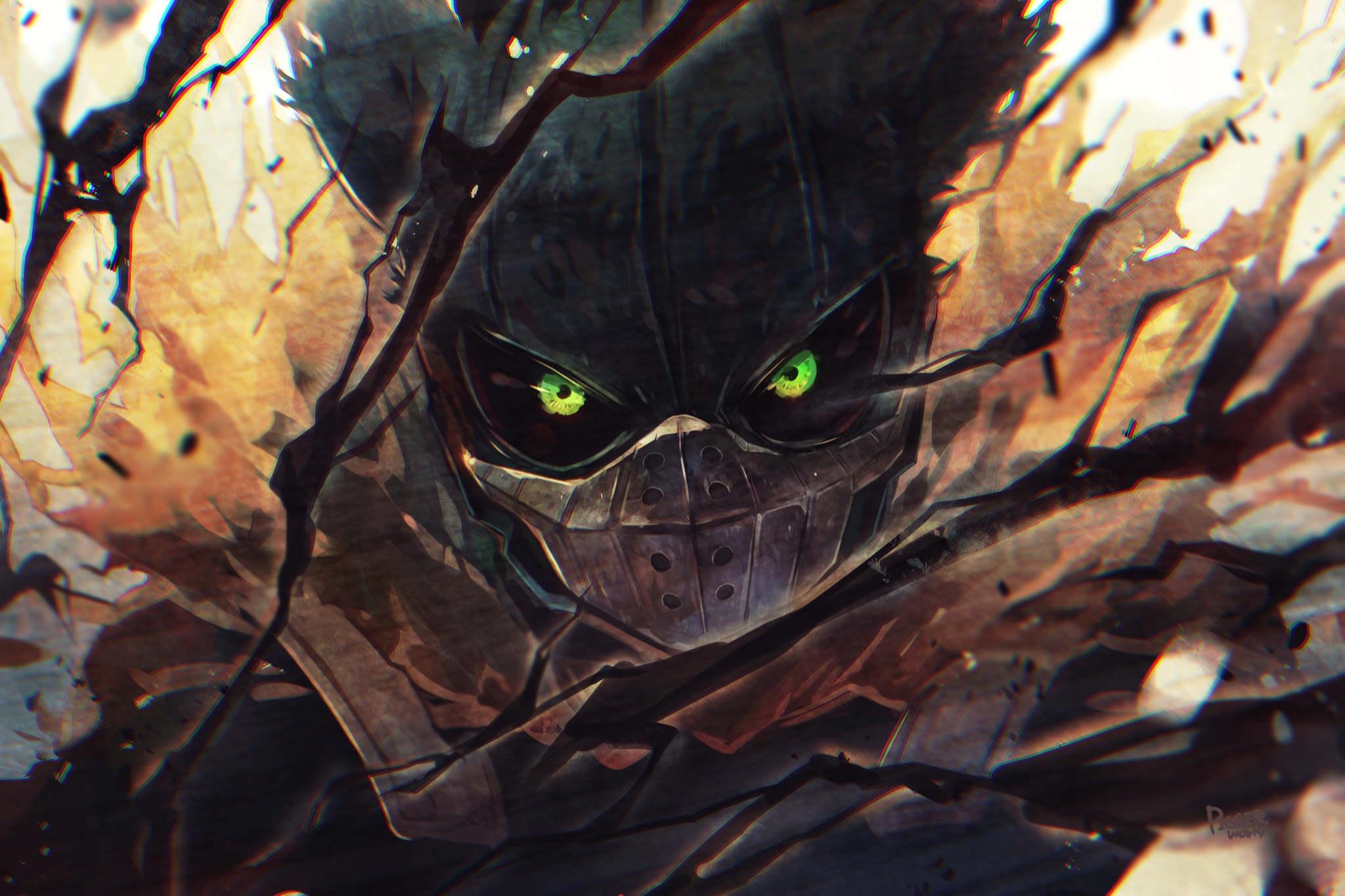
Kohei Horikoshi’s main series gets all the flashy toys, but real fans know the heart of the franchise lives in the spinoff. Honestly, the way Vigilantes: My Hero Academia Illegals 127 handles the fallout of the Naruhata War is something the main manga rarely slows down enough to do. It’s quiet. It’s heavy. It’s basically a masterclass in how to say goodbye to a character we’ve spent years watching grow from a "crawler" into a legitimate hero. If you’ve been following Koichi Haimawari’s journey, this chapter isn't just another update; it’s the bridge between a gritty street-level story and the legendary status he finally earns.
The Reality of Post-War Naruhata in Chapter 127
Most shonen series finish a big fight and then jump straight to the medals and the cheering crowds. Vigilantes: My Hero Academia Illegals 127 does the opposite. It lingers on the smoke. The chapter starts with the sheer exhaustion of the Naruhata lockdown ending. You can almost feel the grit in the air. Endeavor and the other pros are clearing out, and there’s this palpable sense that the "adults" are taking back control of a situation that Koichi handled mostly on his own. It’s sort of frustrating to watch, right? Seeing the pros swoop in after Number Six is finally dealt with feels a bit like someone else taking credit for your homework.
But that’s the point Hideyuki Furuhashi was making. This chapter highlights the massive gap between "Hero Society" and actual vigilantism. Koichi isn’t looking for a parade. He’s looking for a way to survive the legal nightmare he just created for himself by being too good at his job.
Koichi’s Legal Limbo
Let’s talk about the elephant in the room: the police. In Vigilantes: My Hero Academia Illegals 127, the tension isn't coming from a quirk-enhanced monster, but from a pair of handcuffs. Tsukauchi and the police force are in a weird spot. They know Koichi saved the city. They also know that if they let him walk, the entire Quirk Registry Act looks like a joke. It’s a messy, bureaucratic conflict that adds a layer of realism you just don't get in the main My Hero series.
The chapter shows us the hospital scenes, which are surprisingly tender. Pop Step is recovering, but she’s not "fine." There’s a weight to her trauma that the art reflects perfectly. Her design in these panels looks fragile. It reminds us that while Koichi was flying around fighting a literal bomber, she was a victim of a biological hijacking. The narrative doesn't gloss over the fact that her career as an idol is basically scorched earth at this point.
Why the "Sky High" Moment Matters
There’s a specific sequence in Vigilantes: My Hero Academia Illegals 127 where Koichi is looking out at the city. It’s one of those rare moments where the art by Betten Court really shines. The use of negative space makes the city feel vast and Koichi feel tiny. This is the moment he realizes he can't stay.
Vigilantism is a dead end in Japan. We see the seeds of his eventual move to the United States being planted here. If you think about it, the Sky High Hero: Captain Celebrity’s influence is all over this chapter. It isn't just about Koichi’s power level—which, let's be real, is basically Top 10 Pro status by now—it's about his spirit. He’s outgrown Naruhata. The small-town "neighborhood watch" vibe is gone. He’s a symbol now, even if the government is trying to hush it up.
The Shift in Tone
What’s wild is how much this chapter contrasts with the early days of the manga. Remember when Koichi was just picking up trash and helping old ladies cross the street? Chapter 127 brings that back in a bittersweet way. He’s still that same kid, but the world won't let him be just that anymore. There’s a specific conversation about "responsibility" that hits different when you realize he’s basically an outlaw.
A lot of readers were upset that there wasn't a bigger confrontation with the pros here. But honestly? That would’ve ruined the vibe. This chapter is a exhale. It’s the silence after a concert. The pacing is intentionally slow to make the reader feel the same sense of "what now?" that Koichi is feeling.
Connecting the Dots to the Main Series
If you’re reading Vigilantes: My Hero Academia Illegals 127 and wondering how it fits into the MHA timeline, the clues are everywhere. This chapter takes place in that sweet spot before the world goes to absolute hell in the main series. The pro heroes are still seen as invincible. Endeavor is still the flaming jerk we knew back then, though you see the tiniest sliver of him recognizing Koichi’s strength.
It’s also crucial for understanding the "Eraserhead" we see in the main series. Aizawa’s involvement in these final chapters of Vigilantes explains his soft spot for "problem children." He sees the legal machine trying to chew up Koichi and he does what he can to jam the gears. It adds so much flavor to his character when you realize he’s been through this specific ringer before Midoriya ever stepped foot in UA.
Breaking Down the Visual Cues
- The Lighting: Notice how many scenes in 127 are set during dawn or dusk. It’s a classic "new day" trope, but it works because it signals the end of the "Vigilante" era.
- The Mask: Koichi’s suit is trashed. The iconic hoodie is barely holding together. It’s a visual metaphor for his identity as "The Crawler" being shredded.
- The Backgrounds: Naruhata looks scarred. The artists didn't just reset the city; they kept the damage from the fight with Six in the background of every shot.
The Final Verdict on the Narrative Choice
Some people call this a "filler" chapter because there’s no combat. Those people are wrong. Action is easy; consequences are hard. Vigilantes: My Hero Academia Illegals 127 is all about consequences. It’s about the fact that even if you save everyone, you might still lose your home. It’s the most "superhero" thing about the entire series. It asks the question: "Are you doing this for the thanks, or because it's right?"
Koichi’s answer is clear. He doesn't wait for a "thank you" from the police or the public. He’s already looking toward the next thing. This chapter solidifies him as one of the best-written protagonists in modern manga, specifically because he’s so painfully normal in his motivations.
Practical Insights for Readers
If you're catching up or re-reading, pay close attention to the dialogue between the police officers in the background. It sets the stage for the eventual crackdown on heroes we see later in the franchise. Also, look at the way Pop Step looks at Koichi. There's a lot unsaid there that 127 handles with a lot of maturity—it doesn't force a "happily ever after" romance because, frankly, they both just survived a terrorist attack.
To get the most out of this chapter and the ones following it, you should:
- Compare Koichi’s flight style here to his early attempts in Chapter 1. The growth isn't just in power, but in the confidence of his posture.
- Watch Aizawa’s eyes. He says very little in 127, but his expressions tell the whole story of a teacher who is proud but worried.
- Trace the timeline. This chapter effectively marks the end of the "Naruhata" era and begins the transition toward the American setting for Koichi’s future.
The ending of Vigilantes: My Hero Academia Illegals 127 isn't a cliffhanger in the traditional sense. It’s a door closing. You’re left with a sense of peace, but also a lingering sadness that the scrappy group of outcasts we started with is finally being pulled apart by the reality of the world they live in. It's beautiful, it's messy, and it's exactly why Vigilantes is essential reading.
Next Steps for Completionists:
Go back and re-read the first five chapters of the series immediately after finishing Chapter 127. The contrast in Koichi’s "Gliding" quirk—from a simple three-point contact rule to the near-flight he achieves during the war—provides a much deeper appreciation for the technical skill Furuhashi and Betten Court put into his progression. Additionally, cross-reference the appearance of the "All Might" merchandise in this chapter with the state of All Might’s public image in the main series during the same timeframe; it highlights exactly how much of a beacon of hope he was while Koichi was operating in the shadows. Finally, pay attention to the news broadcasts mentioned in the background panels, as they contain subtle nods to the rising villainy that eventually leads to the League of Villains' prominence.